Inside a $20,000 Bastion Archetype: high-resolution XCT of a mixed-material superbike frame
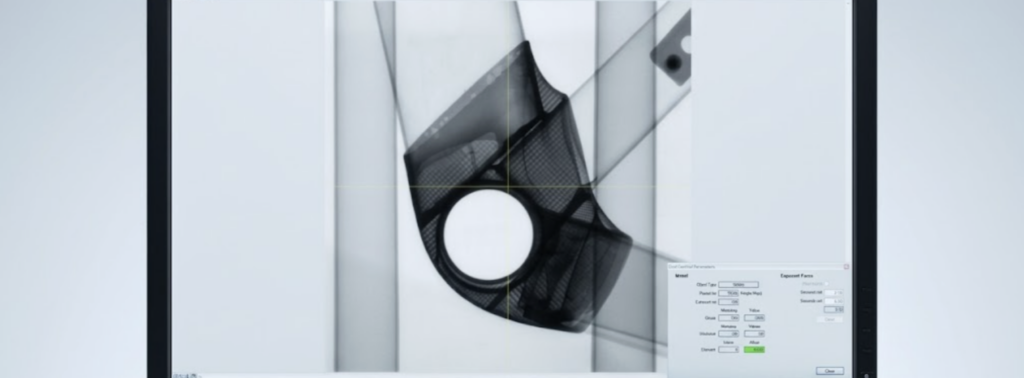
We recently scanned a Bastion Archetype bicycle frame for Velora Cycling, providing a rare three-dimensional view inside a high-value, mixed-material engineering structure.
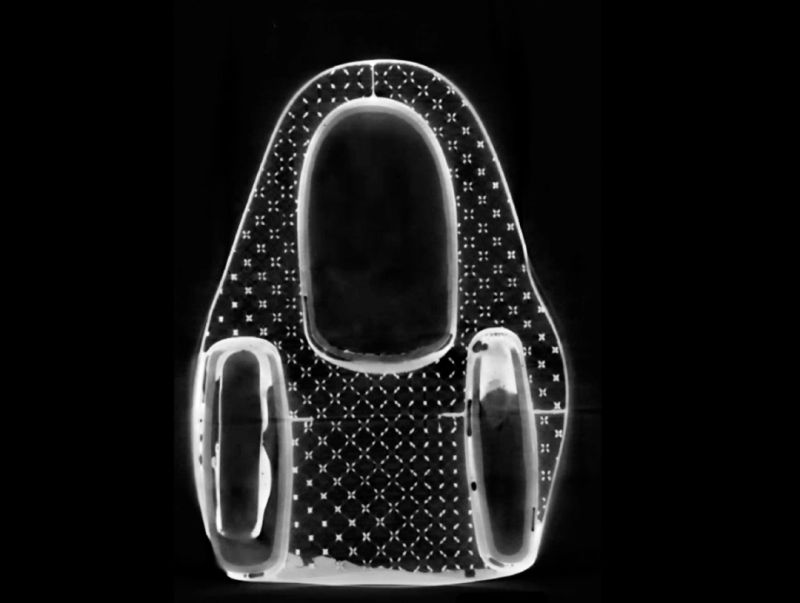
The Bastion Archetype combines 3D-printed titanium lugs with filament-wound carbon fibre tubes. This architecture presents a demanding XCT challenge: a large object envelope, mixed X-ray attenuation, complex internal lattice structures, adhesive interfaces, routed internal features and thin-walled composite regions.
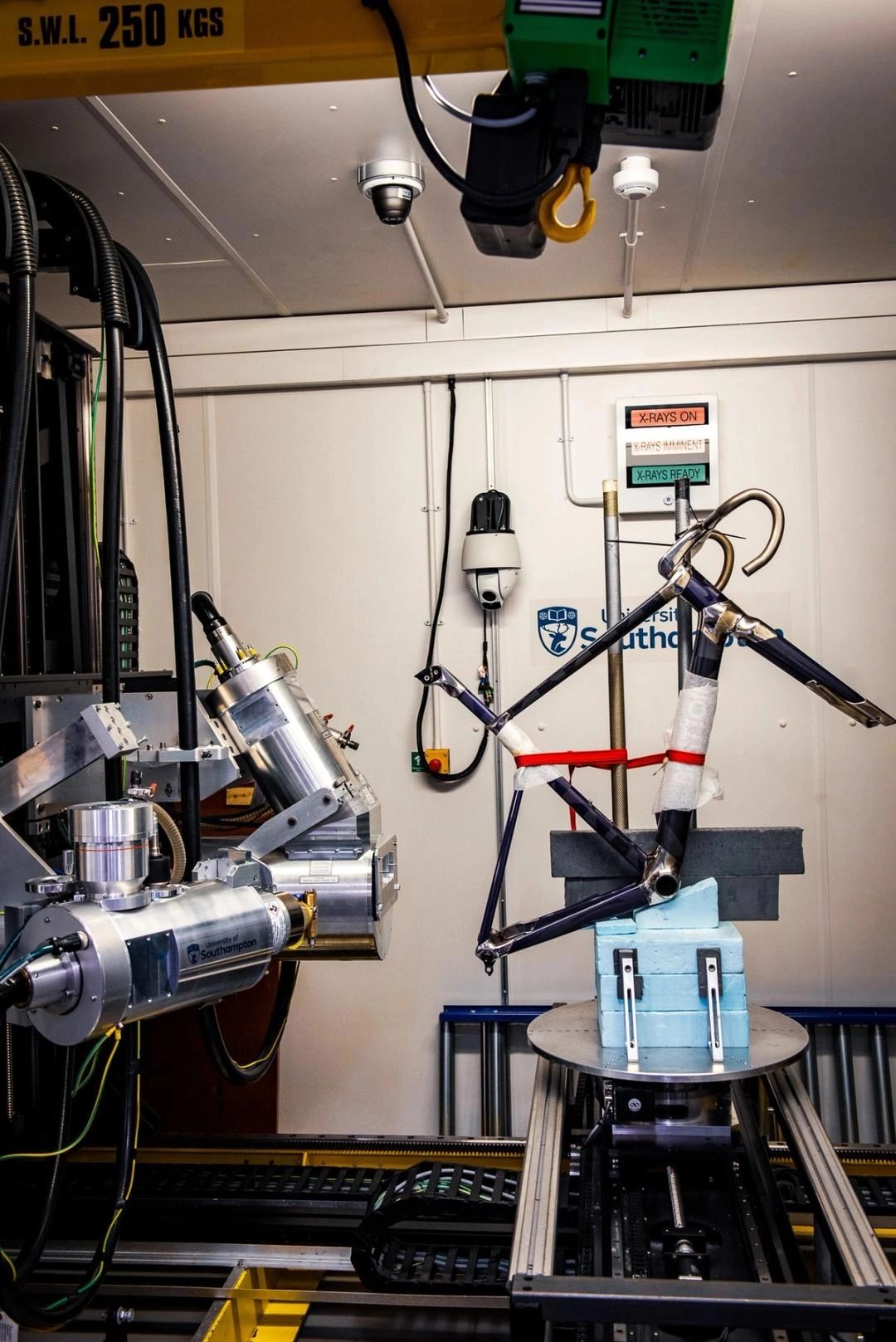
To image the complete frame at high detail, we acquired six overlapping XCT scan volumes at approximately 85 µm voxel size. We then stitched these volumes into a single dataset exceeding 50 GB, enabling inspection of internal geometry, material interfaces and local structural features across the full frame.
Technical challenge
Large engineering assemblies are often difficult to characterise non-destructively because they combine scale, material contrast and geometric complexity. In this case, the object required:
- high-resolution imaging over a full bicycle-frame length scale
- sufficient contrast to visualise titanium, carbon fibre composite and adhesive regions
- multi-volume acquisition and registration
- reconstruction and handling of a very large volumetric dataset
- interpretation of complex additive-manufactured lattice and composite features.
XCT approach
We scanned the frame using a multi-volume acquisition strategy. We captured six overlapping regions and combined them to provide continuous coverage of the frame. The selected voxel size (3D pixel), approximately 85 µm, allowed us to visualise features such as internal lattice architecture, bond-line geometry, wall-thickness variation, cable-routing features and sub-millimetre voids or discontinuities.
At this voxel size, the data support inspection of mesoscopic structure and component-level manufacturing features. We do not resolve individual carbon plies or microscopic porosity. This distinction is important: voxel size defines the sampling of the reconstructed volume, not an automatic guarantee of detectable feature size in all materials or orientations.
This case study illustrates the value of large-object, high-resolution XCT imaging for advanced engineering applications. In a single project, we carried out large field-of-view acquisition, high spatial sampling, multi-volume stitching, mixed-material imaging, high-performance reconstruction and expert interpretation.
The same approach is directly relevant to scientific, engineering and industrial applications including:
- additive-manufactured lattice inspection
- composite structure assessment
- adhesive bond-line evaluation
- internal geometry verification
- non-destructive testing of high-value components
- failure analysis and damage investigation
- digital archiving of complex manufactured parts
- component-scale metrology and design validation
For manufacturers, XCT provides access to internal features that cannot be assessed by visual inspection alone. For researchers, it offers a route to quantify complex 3D structures, relate manufacturing processes to internal geometry, and generate datasets suitable for further computational analysis.
Image and article credit: Peter Stuart / Velora Cycling
Output
- Full external write-up:
We CT scanned a $20,000 Bastion Archetype to see what a superbike looks like on the inside, written by Peter Stuart for Velora Cycling